

When television was first introduced in the US, there were like 3 channels. The bad thing about this was there was not very much variety if you wanted to watch something very niche. The good thing was that when you went to work or school the next day, you had something to talk to people about because they would have a high likelihood of having watched the same thing. Therefore, lack of selection led to commonality / shared experiences - it’s a least common denominator of something to relate to someone else on and good water cooler fodder.
With the explosion of HBO and digital / cable TV, there was a proliferation of content which was able to cater to all sorts of niches. The niches in turn allowed people to find “their people” e.g. were you a Walking Dead person or a Lost person or a XYZ show person. This is positive because more preferences are satisfied and people are able to find content they enjoy if it was outside of the shows that appealed to the mass-market sufficiently to warrant being on the one of 3 TV channels. We give a voice to more diverse voices and we are exposed to more stories, which feels generally positive. People assort themselves naturally into the shows that resonated with them for whatever reason. Shared action expresses preference and allows you to quickly identify people who have similar preferences to you and partake in the same shared experience as you (and therefore know all of the inside jokes and the rich histories of the characters, etc).
We’ve been on a trajectory where content has proliferated to serve smaller and smaller niches. This enables ROI positive projects of many sizes and shapes: large scale projects with wide appeal (something like Game of Thrones with $10M episodes and a large fan base) and narrow but zealous appeal (something like creators monetizing a small group of very dedicated followers willing to pay for their content through platforms like Patreon) - both deliver net positive ROI.
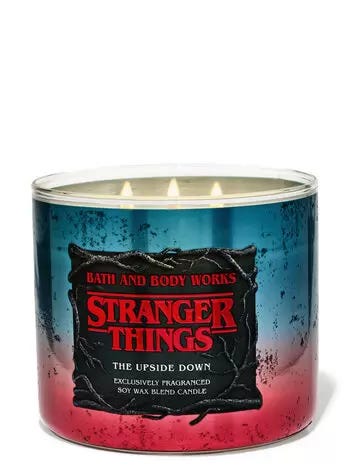
But it’s almost gotten to a point where there’s too much content. Many times I have flipped on the TV trying to find something to watch and I’m always shocked HOW MUCH content there is and how much of it is utter garbage. There’s been a lot of complaints about Netflix bloat and also so many Netflix shows (like the Winx Saga, which if you forgot was that doomed Fairy Academy show that is somewhere between Harry Potter and Tinkerbell) where you’re like “why did anyone in their right mind make this?” I think the answer is they just spray and pray and put out a lot of garbage that is very low cost. If for some reason a show takes off despite a low initial budget, Netflix knows how to double down on winners and then they will deploy a significantly larger budget for Season 2 of a show having a cultural moment (see The Witcher, Stranger Things). (I heard on the radio recently that they were selling Stranger Things candles and I thought “who in their right mind would purchase a scented candle that smelled like the upside down?” Apparently people want to be immersed across all sensations while watching the show??? If you needed more signs of the end times or perhaps a material embodiment of our post capitalistic mindless conspicuous consumption culture.)
Truthfully, I think we have been battling with this “too much content; nothing good to watch” phenomenon for a while. A huge problem is content discovery - there’s so much of it and none of it is good so I end up relying a lot more on word of mouth recommendations from other people who tell me I might like a show.
While Netflix / similar content engine’s approaches feel economically rational, I think it has led to some very funny incentives. For example, I remember seeing a movie preview for Kong v. Godzilla - which is a mishmash - two worlds colliding concept that felt 100% doomed. The premise was so uncreative, so vapid, it was almost shocking. Maybe it’s like “shrug - both of these are good independently so maybe if we put them together, it’s gotta be better right? Right?” (See Superman v. Batman, Deadpool + Wolverine for other recent plays on this theme).
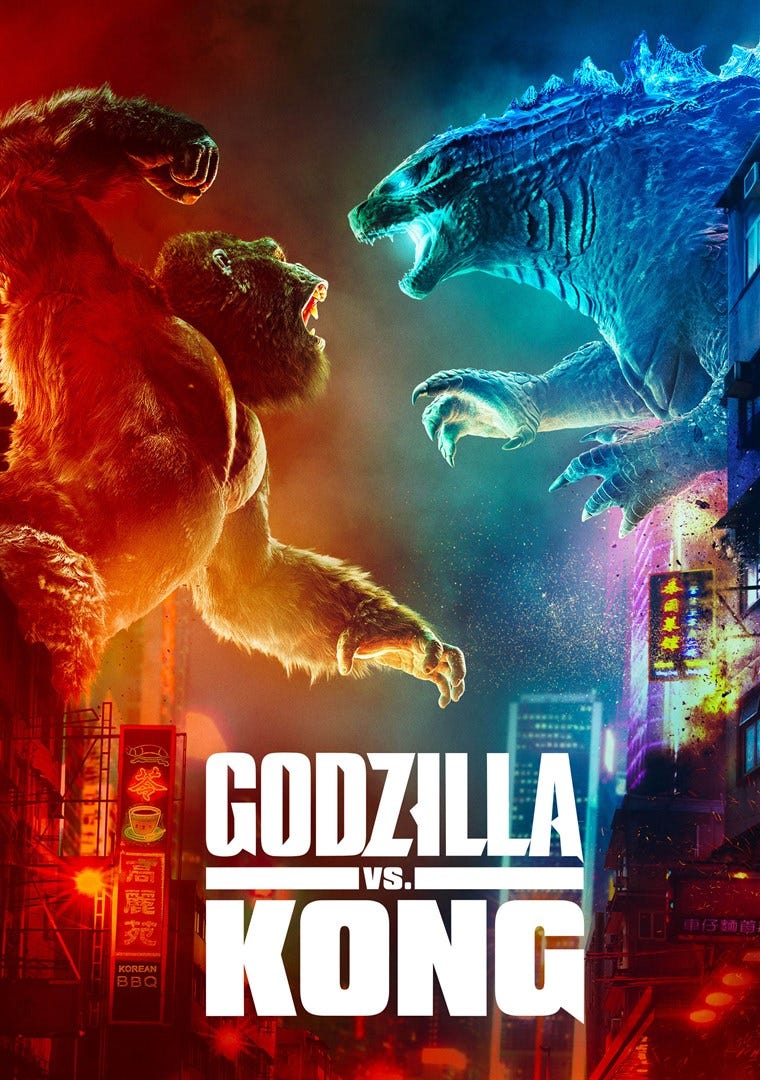
I feel like it’s a sign of the end times that this is the best humanity can come up with but maybe the truth is that from an expected value perspective, it is perfectly rational because you get the fan bases of both to show up and the existing characters have a following you can lean on to come through.
Another example of this is the rise of video game franchise movie / TV show adaptions - Witcher, World of Warcraft, Fall Out - where you know diehard fans of the video games will watch and maybe, if you’re lucky, it’ll have some broader appeal to people who haven’t played the game but get sucked in by a friend. Not to say this is all bad - it just feels weirdly derivative like we can’t come up with anything better or our proclivities/preferences are weirdly frozen in time from when we were kids because millennials have some weird nostalgia complex with things that remind them of their childhoods. (I actually really enjoyed the Fall Out adaptation - I thought it was very well executed, was a rich exploration of the world created in the games, and also eerily pertinent to our current world.)
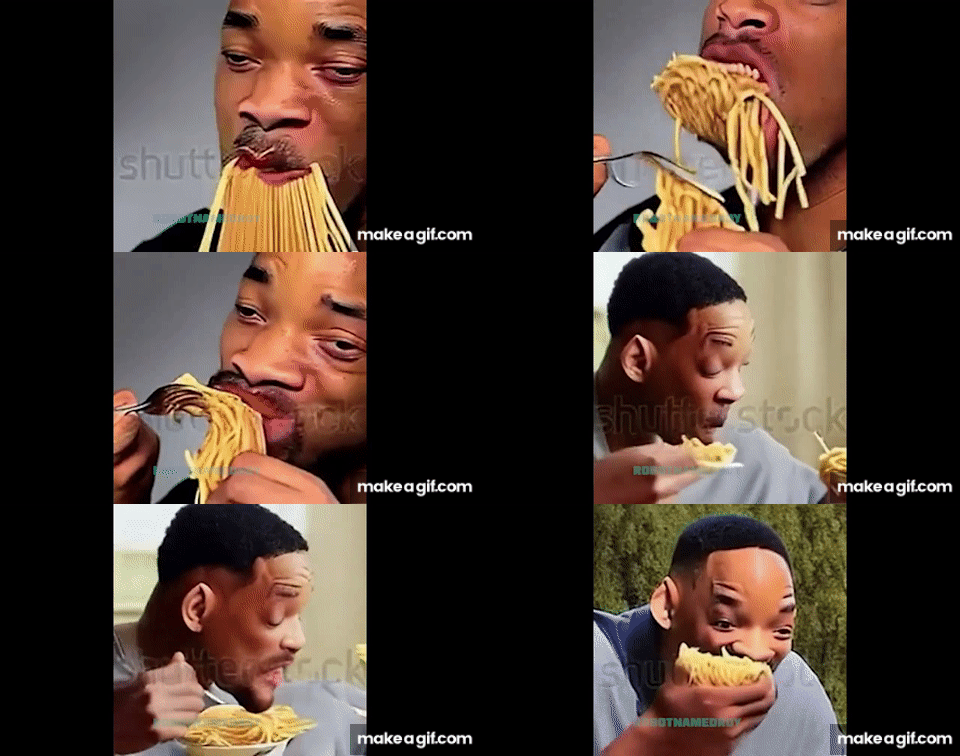
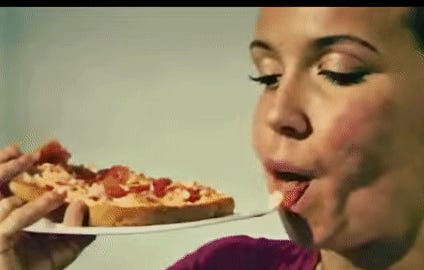
But let’s just follow personalization to the end state - to an n of 1. The Sora demos are very impressive - and we’ve seen video AI models from Luma AI, Midjourney, Runway - AI image/video generation has progressed so fast over the last couple months from the Will Smith eating spaghetti and the scariest pizza ad you’ve ever seen (which features eerily happy people happily EATING THEIR PLATES along with their pizzas, weird toppings, and people vomiting instead of ingesting pizza) to the hyperrealistic videos we’ve seen recently.
The Sora demo of the ship sailing in a coffee cyclone is incredibly impressive because of the physics of the wave / fluid dynamics - what was most impressive about the Sora demo was the object permanence: the camera pans past a lady walking and after she passes through the frame, the billboard sign that was in the background before she passed through the frame is known by the model to STILL BE THERE (shocker!) after she walks past.
Recent models by Luma, which started off with 3D model capture of the world, also exhibits shockingly good understanding of object permanence and consistency of spacial positioning even from different camera angles. The recent images with LORA / flux looked so real it was scary - I think at this point, everyone pretty much as seen the photos of the fake people talking into fake microphones at a fake tech startup conference.
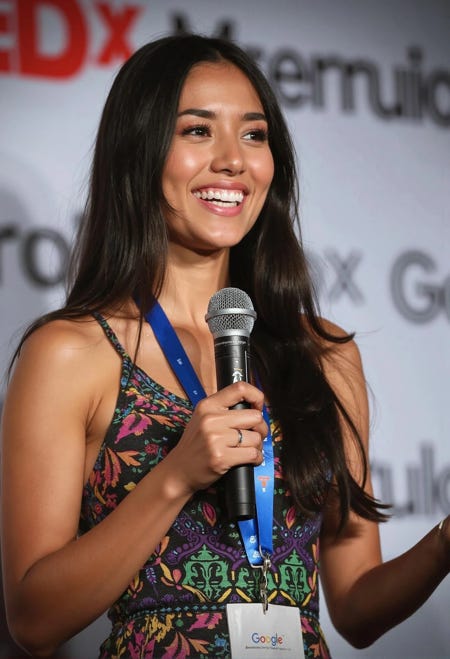
We are moving into a world where the cost of content creation is literally 0 - I could see full feature films being made with AI in the next couple months to a year and that is truly wild to me. On a positive note, this unlocks even more stories, even more creators and yet each individual story will have the curse of even more scattered attention. People have suffered from shortening attention span for a while but even lower cost of produce content means things will have their 2 seconds in the spotlight and then disappear forever forgotten in the annals of history. People are also getting desensitized to banal content and need more and more extreme / stimulating / bombastic content to feel anything or for something to capture their attention. People want to be delighted! Entertained! Give the people what they want!
People want to be delighted! Entertained! Give the people what they want!
But why stop there, why not create films / shorts that exactly tickle your individual fancies for whatever mood you are in at any given point of the day. We could endlessly entertain and delight the masses in some WallE-esque dystopia with each person’s content exactly personalized to their preferences. Through ultra personalization though, you end up with an n of 1.
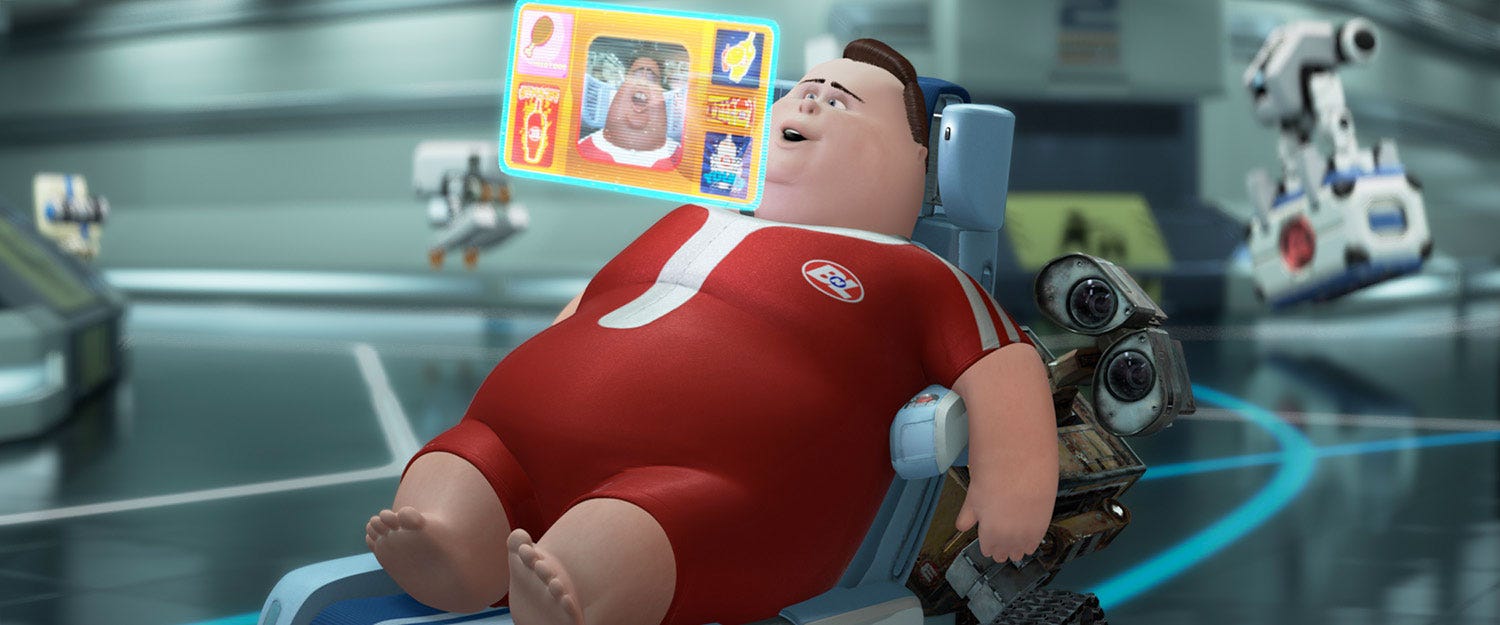
Who do you talk to about a show if you are the only one who has seen it because it was made especially for you and your brain for your consumption and maximum enjoyment? That would be a lonely world indeed with all people in their own manufactured entertainment world. I don’t think this end state is actually very likely because part of the enjoyment I think humans get from content / entertainment is that other people are also part of this fan group and they get to feel a part of some shared experience (e.g. going to a Taylor Swift concert and being in a crowd where everyone knows the lyrics) and, by definition, a n of 1 is isolation.
The end state of personalization is an n of 1 - which is the state of being perfectly and completely singular and alone.
I think a more likely version of this in the near future is some version of what we have on TikTok. TikTok is extremely personalized but there are shared undercurrents of shared memes that go through a population at a given time, the person doing the meme might be specific to your given subgroup though - for example, “someone cooked here” could be a Alabama sorority sister or a tech corporate girlie or whatever community you are part of - but you still feel connected by the shared meme. Or something like a simulated reality where you are immersed in a world that your friends are also participants in - but then why not just experience it in the real world? Maybe because the good guys always win in the simulated world / you get to play whatever role you want in it? Maybe because in a well designed game, you stay in that perfect state of flow where you are challenged but within your ability whereas the real world is full of actual darkness and real challenges that you might not be ready for / where the goals are not even clear / no one honestly even cares if you win or not?
An Aside on Influencers
One thing I’ve been thinking about a lot is Gen Z’s obsession with being influencers. Millennials were really the first generation where you could be an “influencer” as a profession but I perceived (might be totally biased by going to Penn) that it was looked down upon to some extent as not really adding value to society or not a “real job.” Gen Z seems to have no qualms about the ethicalness of being an influencer / being an influencer carries none of the dirtiness that it had in previous generations. I’ve been trying to figure out why that is - perhaps millennials believed in the system enough / still trusted the system enough whereas Gen Z’s don’t trust the system at all / don’t respect authority at all and see through all of our bullshit so they just want to make money however they can with the least amount of work. Millennials had moral qualms with being influencers because there were still systems and structures we thought were functional and we also had a special snowflake God complex about saving the world in someway whereas Gen Z’s feel none of this responsibility. The world was broken when they got here so if they kind of help it, that’s great but they feel no obligation to do so. Gen Z arrived straight nihilists whereas Millennials were hopeful, trusting (maybe naively so) and then this slowly progressed to complete and utter disillusionment.
Millennials were taught to believe in the meritocracy - that if you studied hard and worked hard, you would be able to achieve the American dream or whatever - what happened in actuality was people who yolo-ed into crypto and GameStop (aka took large speculative risk) or inherited family money were the only people who amassed any kind of wealth to speak of by any reasonable age. I think the Gen Z’s seeing this were (fairly) like what the hell and completely lost faith in the system. Their solution seems to be if the world is going to shit anyways, we might as well do weird Fortnite dances in the streets and try to get famous. It does feel like a form of mockery - like a big middle finger to civilized society or 9 to 5 work.
I guess I’m being too harsh because my mother told me she dreamed about being a movie star or a singer, which is some 1970s equivalent I guess to being an influencer today. I guess I still carry with me the misguided millennial perception that influencers don’t add a lot of value to society? One negative thing for young girls is that never in human history has it been so easy to monetize beauty or so directly monetize your beauty - does this result in an entire generation of women who internalize that their value is their physical appearance? Does this make younger girls more shallow / create more body dysmorphia? And what happens to all the girls who aren’t blessed with natural beauty? There is a lot of conversation that with the broad availability of Ozempic, plastic surgery rates will go up and become more normalized (not a crazy thought given how accepted it is in countries like South Korea). I think the thought process is something like: extreme weight loss leads to excess skin which you need to get removed and while you’re there, might as well do the rest of it? Or something like if you are pretty close to your ideal body / physical appearance, why not just go all the way? Either way, it’s a little bit sad to think that girls might feel more pressure or more reduced to their physical appearance. However, humans honestly have been shallow since the beginning of time and we’ve always liked pretty people.
If you shine the most positive light on what influencers do: they make people happy or at least make content people find entertaining (or informative or worth watching or allow them to escape from their realities), they act as taste makers to curate products / experiences people want to have so people can discover things that could potentially add utility to their lives - the best creators build communities of people around them that perhaps people a sense of belonging or sense of being understood and maybe they can even use their platform to influence the hearts and minds of their followers in positive ways (raising awareness of charity or cause) - by the way, they can also influence their followers to adopt very bad values as well (not to pick on Andrew Tate but teaching a large swath of men to be womanizers feels kind of negative. One question with that is correlation v. causation aka whether or not these men already believed those things and sought Andrew Tate because they already believed in these types of things and it just gave them a community or if the act of listening to him converted them to these beliefs or stoked this embers - there is a reflexivity to these types of things that I want to explore deeper at a later point). In actuality, they keep eyeballs on apps and keep people coming back to these platforms and Instagram, TikTok can monetize this attention to (1) sell ads to advertisers, (2) collect more data about their customers through their interactions on the app so they can serve them better content and advertisements. (It is also 100% possible today for people to generate AI clones of themselves and even train them on their likeness, voice / intonation, and content, as Reid Hoffman did recently. Whether or not people are interested in listening to or watching AI clones of influencers is an interesting question we will need to get back to in a different post.)
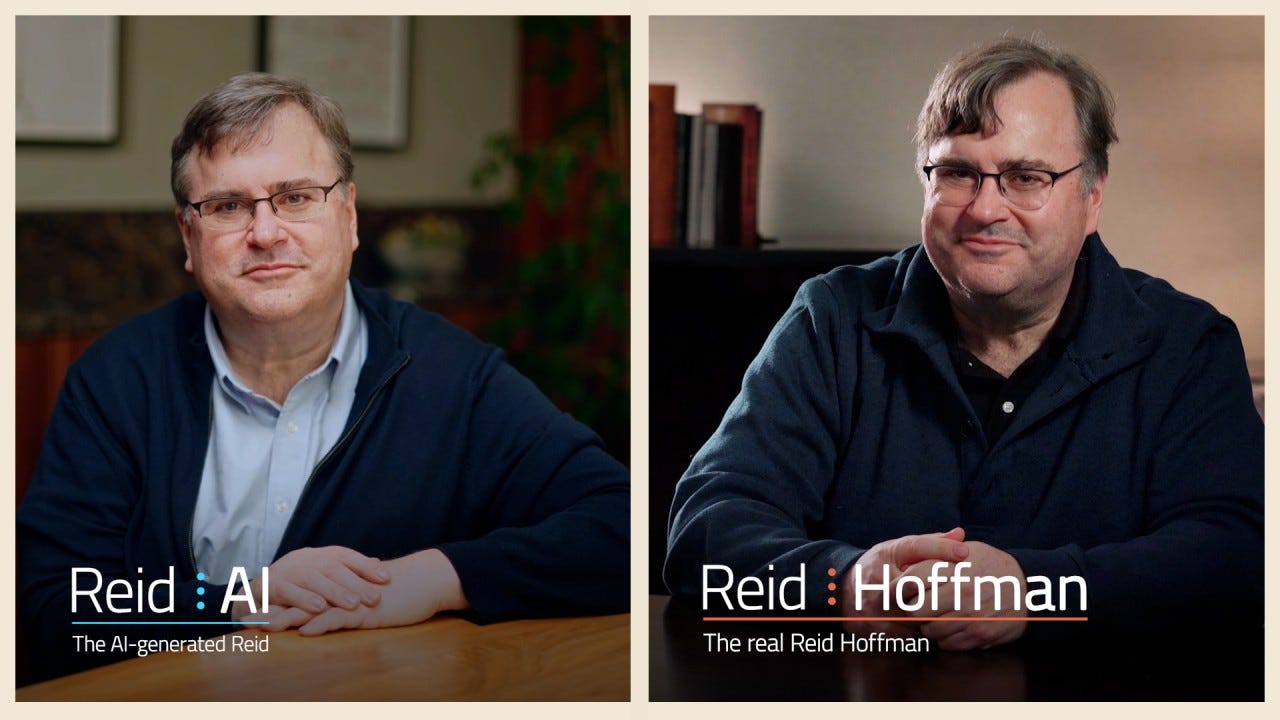
Either way, it feels like the end state where everyone is an influencer doesn’t really work because there is no one left to be influenced…and who is doing the real work? I guess AGI will solve all of humanity’s problems, the AI will do all the work, and all the Gen Zs can be influencers and do TikTok dances?
Seems fine.
Enjoyed the piece, as its something I've been noodling on in my journal.
A future I could envision instead of an n of 1 is just tweak the base to suit more of what you like. I mean something like, imagine you and I both watch Stranger Things, and the general plot is the same but the actual manifestation may be different (mine might be in an anime style with that kind of speech / visual design) whereas yours ends up manifesting more as a pure horror. It might have enough commonalities to have a shared experience but 'tweaked' to meet my mood or general inclinations.
Great writing Nina!